
general affidavit of true copy pdf
Purpose of a General Affidavit of True Copy

The General Affidavit of True Copy confirms that a reproduced document matches the original, enabling legal use without the original. It is signed by the declarant, notarized, and certifies authenticity for court filings, contracts, or administrative purposes. It ensures statutory compliance. fully now!

Legal Foundations and Statutory Requirements
Affidavits of true copy rely on the Statute of Frauds and authenticity clauses, requiring notarized signatures,oath, and a certification that the copy matches the original. Courts enforce these to prevent fraud and ensure document integrityCompliance
Statute of Frauds and Authenticity Clauses
Under the Statute of Frauds, certain contracts and documents must be in writing to be enforceable. A General Affidavit of True Copy satisfies this requirement by providing a sworn statement that a reproduced document is an accurate and complete copy of the original. The affidavit typically contains an authenticity clause that declares the copy’s fidelity, often phrased as “I certify that the attached document is a true and correct copy of the original, and that I have examined the original in my presence.” This clause is essential for courts to accept the document as evidence. The statutory framework mandates that the affidavit be notarized, ensuring the declarant’s identity and the truthfulness of the statement. By meeting these legal prerequisites, the affidavit serves as a reliable tool for transferring documents in litigation, real‑estate transactions, and administrative proceedings. The authenticity clause also protects against claims of forgery or misrepresentation, providing a clear audit trail for the document’s provenance. In practice, the clause is often accompanied by a signature block, the date, and the notary’s seal, all of which collectively affirm the document’s legitimacy. The combination of the Statute of Frauds and the authenticity clause thus forms the backbone of the General Affidavit of True Copy, enabling parties to rely on copies with confidence in a legal context. This affidavit must be filed within 30 days of the original’s creation today

Notarial Acknowledgment and Oath
The notarial acknowledgment is a formal statement by a licensed notary public affirming that the declarant has personally appeared before the notary, identified themselves, and willingly signed the affidavit. This acknowledgment typically follows the declarant’s signature block and includes the notary’s name, commission number, and the date of notarization. The oath or affirmation clause requires the declarant to swear or affirm that the contents of the affidavit are true and correct, often phrased as “I swear that the foregoing is true and correct.” This oath is essential for the affidavit’s legal enforceability, ensuring that the document is not merely a copy but a sworn statement under penalty of perjury. The notary’s seal or stamp, signature, and the official acknowledgment provide a verifiable record that the affidavit was executed under proper legal conditions. In many jurisdictions, the notary must also record the affidavit in a public ledger or electronic database, further strengthening the document’s authenticity. The combination of the notarial acknowledgment and oath safeguards against fraud, facilitates court acceptance, and allows the affidavit to serve as reliable evidence in civil, criminal, and administrative proceedings. Proper completion of this section is critical for the affidavit’s validity and for compliance with state and federal notarization statutes. This meticulous process upholds integrity of legal documentation, ensuring that parties can rely on affidavit with sure confidence.

Standard Components of the Affidavit Document
The affidavit contains declarant details, a clear description of the original document, a verification statement confirming authenticity, a signature block, and a notarial acknowledgment. These elements together certify the true copy for legal use. It also contains a notarization seal and date stamp now!
Declarant Information and Signature Block
The declarant’s personal data must be fully disclosed to establish identity and authority. This includes full legal name, residential address, phone number, email, and a government‑issued identification number (e.g., Social Security, passport, or driver’s license). The affidavit should also specify the declarant’s occupation and the date of the statement. The signature block follows the narrative portion and must contain the declarant’s handwritten signature, the date of signing, and the location (city, state, country). A notary public’s acknowledgment is required, which includes the notary’s printed name, commission number, and the official seal or stamp. The notary must also sign and date the acknowledgment, confirming that the declarant appeared before them, identified themselves, and signed the affidavit voluntarily. The block should be formatted in a clear, legible manner, with ample space for the signature and notary seal to prevent tampering. Proper alignment and spacing are essential for the document’s admissibility in court or administrative proceedings. This section is critical because it validates the authenticity of the affidavit and ensures compliance with statutory requirements for a true copy declaration. Failure to provide complete declarant information or a proper signature block can render the affidavit inadmissible, leading to delays or legal challenges. Therefore, meticulous attention to detail in this portion safeguards the document’s legal integrity and facilitates smooth processing by courts, agencies, or private parties. The affidavit must also be dated in the same location where the signature appears. All details are verified.
All parties receiving the affidavit should verify the signature block against the original identification documents to confirm consistency. This verification step is a best practice that reinforces the affidavit’s credibility and protects against fraudulent claims.
For record‑keeping, keep a copy of the signed affidavit in a secure location and provide copies to all relevant stakeholders.
Description of the Original Document
In this section, the affidavit must provide a precise and unambiguous description of the document that is being certified as a true copy. The declarant should identify the document’s official title, the issuing authority, and the date of issuance. If the document is a contract, deed, or certificate, the specific type (e.g., “Deed of Sale,” “Marriage Certificate,” “Birth Certificate”) should be stated. The number of pages, page range, and any distinguishing features such as stamps, watermarks, or signatures should be noted. The affidavit should also reference the document’s reference number or file number if applicable. When the original document contains multiple attachments or exhibits, each attachment should be enumerated and described. The declarant should verify that the copy attached to the affidavit matches the original in every detail, including font, layout, and handwritten notes. If the original document is in a foreign language, a certified translation must be referenced. The description should be written in a clear, factual manner, avoiding subjective language. The purpose of this detailed description is to allow a court or agency to confirm that the copy is indeed a faithful reproduction of the original, thereby preventing disputes over authenticity. This section is critical for ensuring the affidavit’s admissibility and for protecting the parties involved from potential fraud or misrepresentation. By providing a thorough description, the declarant demonstrates due diligence and compliance with statutory requirements for a true copy declaration. The description should be concise yet comprehensive, covering all relevant attributes of the original document to facilitate verification by reviewing authority today.
Verification Statement and Certification Clause
In the verification statement, the declarant affirms that the attached copy is a true and accurate reproduction of the original document. The declarant states: “I, [Name], declare under oath that the copy of the [Document Title] attached herein is a true, correct, and complete copy of the original, which I have personally examined and compared with the original in my possession or in the custody of the authorized office.” The certification clause follows, requiring the declarant to sign and date the affidavit, and to have the signature witnessed by a notary public. The notary must acknowledge the declarant’s identity, the fact that the declarant signed voluntarily, and that the document was executed in the presence of the notary. The clause typically reads: “I certify that this affidavit is a true copy of the original document, and that I have verified its authenticity.” The notary’s seal and signature, along with the date of notarization, complete the certification. This section ensures legal enforceability and compliance with statutory requirements for a true copy affidavit, providing courts and agencies with a reliable basis for accepting the document as authentic. The language used must be clear, precise, and free of ambiguity to satisfy legal standards and to prevent disputes over the document’s validity. The declarant’s affirmation, the notarization, and the certification clause together form the cornerstone of the affidavit’s legal force, safeguarding the interests of all parties involved in the transaction or legal proceeding. The clause is essential for the document’s admissibility in court and for its acceptance by governmental agencies, thereby upholding the integrity of the legal process today.

Digital Tools for Creating and Signing PDFs
PDF fillable templates from pdfFiller and PDFRun streamline form completion. Users can edit, sign, and download PDFs. Electronic notarization platforms allow remote notarization, ensuring legal validity. These tools save time and reduce paper use. They integrate with e‑notary, ensuring secure workflow online.
PDF Fillable Templates (pdfFiller, PDFRun)
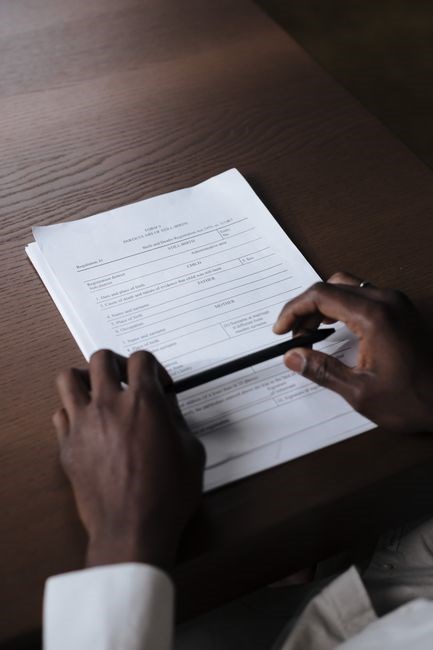
PDF fillable templates from pdfFiller and PDFRun offer a streamlined, digital approach to drafting a General Affidavit of True Copy. The templates come pre‑configured with fields for the declarant’s name, address, the original document’s description, and the certification clause. Users can type directly into the fields, adjust formatting, and insert electronic signatures. Once completed, the platform automatically generates a PDF that preserves the layout and is ready for notarization. Both pdfFiller and PDFRun integrate with e‑notary services, allowing remote notarization while maintaining audit trails and digital signatures. The templates comply with most court requirements, including options to add a notary block, a date stamp, and a QR code for verification. By using these fillable templates, applicants avoid printing, scanning, or manual transcription, reducing errors and speeding up the filing process. The platforms provide version control, so earlier drafts can be retrieved if needed. Accessible from any device with an internet connection, they accommodate users who are on the go or working from multiple locations. The result is a clean, legally sound affidavit that can be submitted electronically to courts or shared with relevant parties with confidence that the document meets statutory authenticity standards. Moreover, the platforms offer audit logs that record every action taken on the document, from initial entry to final signature, which is essential for legal disputes. Users can also export the completed affidavit to various formats, including Word or plain text, if required by certain jurisdictions. The templates are updated regularly to reflect changes in legal standards, ensuring that the affidavit remains compliant over time. Finally, both services provide customer support and tutorials to help new users navigate the process efficiently.
Electronic Notarization Platforms
Electronic notarization platforms enable a notary public to witness signatures remotely, ensuring the General Affidavit of True Copy meets legal authenticity standards without in‑person presence. These services typically require the declarant to upload a completed PDF, verify identity through multi‑factor authentication, and then record the notarization session via live video or recorded audio. The platform logs the date, time, and IP address, and issues a notary seal that is cryptographically signed. Many platforms support integration with cloud storage, allowing the notarized affidavit to be stored in secure repositories or shared directly with courts or parties through encrypted links. The notarization process often includes a mandatory oath or affirmation that the declarant affirms the truthfulness of the affidavit, which is captured in a timestamped audio clip. After completion, the platform generates a notarized PDF that contains a notarization block, a QR code linking to a verification portal, and an electronic seal that can be validated by any party. Some services offer bulk notarization for multiple affidavits, reducing turnaround time for law firms or corporate entities. Compliance with state‑specific notarization statutes is automatically enforced by the platform, ensuring that the affidavit remains admissible in court. Additionally, audit trails are maintained for each notarization, providing a transparent record that can be referenced in case of disputes. The user interface is designed to be intuitive, with step‑by‑step guidance, so even non‑technical users can complete the process efficiently. By leveraging notarization, parties can reduce travel costs, expedite filings, and maintain the integrity of the affidavit in a digital environment2026
Filing and Distribution Procedures
After notarization, the affidavit is submitted to the relevant court per local filing rules, often via electronic docketing or by certified mail. Copies should be provided to all parties, with one retained for the declarant’s records. Ensure each copy is stamped with the notarization seal and date.
Court Submission Guidelines
To submit a General Affidavit of True Copy to a court, first verify the jurisdiction’s filing rules, which may differ for civil, probate, or administrative matters. Most courts require the affidavit to be notarized, stamped with the official seal, and accompanied by a cover sheet listing the case number, title, and the affidavit’s title. The document should be filed in the signed and notarized form, not a photocopy, unless the court explicitly allows electronic copies. Many courts now accept electronic filings through their docketing portals; in such cases, upload the PDF as a scanned image of the notarized page, ensuring the seal is legible. If filing by mail, use certified or registered mail, and send the affidavit to the clerk’s office address listed on the court’s website. Include a self-addressed stamped envelope for any required return. Pay any filing fees in the manner specified by the court—often by check money order or electronic payment. Note the deadline for filing, which may be a set number of days after the affidavit is executed or after a specific court order. Failure to file within the deadline can result in dismissal or denial of the affidavit’s admissibility. After filing, retain a copy of the filed affidavit for your records, and provide copies to all parties with a copy of the notarization page. If the court requires a certified copy, have the clerk provide a stamped copy of the affidavit. Finally, keep a record of the filing receipt or docket number for future reference now.
Providing Copies to Interested Parties
Copies are typically sent via certified mail or through the court’s electronic filing system, ensuring that each recipient receives a traceable delivery receipt. It is common practice to include a cover letter that references the case number, the title of the affidavit, and the purpose of the distribution.

When dealing with multiple parties, it is efficient to use a bulk mailing service that can handle the notarization stamps and provide a delivery confirmation for each recipient. For parties located in different jurisdictions, the declarant may need to obtain additional notarizations or apostilles to satisfy local legal requirements. The affidavit’s certification clause should be reviewed to confirm that it meets the standards of the receiving jurisdiction, especially if the document will be used in a foreign court or administrative agency.

All parties must keep a signed copy and a distribution log for audit purposes, ensuring compliance with court orders and facilitating future verification for all records promptly.